SQF Certification: Audits, Training & Certification Services
SQF (Safe Quality Food) is a GFSI-benchmarked food safety certification program administered by the Safe Quality Food Institute (SQFI), a division of FMI. It is the only GFSI-recognized scheme that covers the entire supply chain from primary production to retail. Kiwa ASI is an SQFI-licensed, accredited certification body delivering SQF audits, HACCP and SQF Practitioner training, and audit-readiness support across the United States.
- GFSI-Benchmarked Certification
- Farm-to-Fork Supply Chain Coverage
- SQFI-Licensed, Accredited Certification Body
Get an SQF Certification Quote
Tell us about your facility and an SQF certification specialist will reach out to discuss scope, scheduling and pricing.
What is SQF Certification?
SQF (Safe Quality Food) certification is a globally recognized, GFSI-benchmarked food safety and quality program administered by the Safe Quality Food Institute (SQFI), a division of FMI, The Food Industry Association. Achieving SQF certification proves that your products are produced, processed, prepared and handled under a rigorous, HACCP-based food safety management system that meets internationally harmonized standards.
SQF is the only GFSI-recognized program that covers the entire supply chain from farm to fork, with sector-specific Food Safety Codes for primary production, food manufacturing, packaging, storage and distribution, retail and foodservice. While not mandated by U.S. law, SQF certification has become a de facto requirement for doing business with many major retailers, foodservice companies and brand owners.
SQF Edition 10 is here. Audits against SQF Edition 10 begin in January 2027, with strengthened requirements for food safety culture, environmental monitoring, allergen management, and validation and verification. Kiwa ASI offers an SQF Edition 10 conversion course and an Edition 10 pre-assessment so certified sites can transition before their first Edition 10 audit.
What Are the Levels of SQF Certification?
SQF offers three programs so businesses of different sizes and maturity can choose the right entry point. Historically known as Level 1, Level 2 and Level 3, they are now structured as the SQF Fundamentals Program, the SQF Food Safety Code and the SQF Food Safety and Quality Code. Most companies start with Fundamentals or go straight to the Food Safety Code, then add the Quality Code once their system is mature.
SQF Fundamentals Program
An entry point for small and developing businesses building a food safety system for the first time. Offered at Basic and Intermediate levels as a stepping stone to full certification.
- Focuses on basic food safety controls and GMPs, GAPs or GDPs
- Aligned with the GFSI Global Markets Programme; not a GFSI-benchmarked certification
- Annual audit to maintain certification
- Ideal when customers do not yet require GFSI certification
SQF Food Safety Code
The GFSI-benchmarked certification most retailers and brand owners require: a complete HACCP-based food safety management system audited against the sector-specific SQF Food Safety Code.
- GFSI-benchmarked; satisfies most major retailer and foodservice requirements
- Sector-specific codes for manufacturing, primary production, packaging, storage and distribution, and more
- Certificate valid 12 months with an annual recertification audit
- One unannounced audit in every three-year certification cycle
SQF Food Safety and Quality Code
The most rigorous option, combining the Food Safety Code with the SQF Quality Code to certify product quality, consistency and specification control in addition to food safety.
- Requires current SQF Food Safety Code certification
- Adds a documented Food Quality Plan and quality control requirements
- Earns the right to display the SQF Quality Shield on packaging
- Preferred by brand owners with strict quality specifications
Who Needs SQF Certification?
SQF applies across the entire food supply chain, not just to manufacturers. If your business grows, processes, packs, stores, distributes or sells food, feed, pet food, dietary supplements or food-contact packaging, there is an SQF Food Safety Code written for your sector.
Certification is typically pursued by small and growing producers targeting national retailers, multi-site enterprises standardizing compliance across plants, and the QA managers and SQF Practitioners who run the food safety system day to day.
Primary Plant Production
Growers, packhouses and grain storage
Indoor and outdoor cultivation of fresh produce, nuts, grains and sprouted seeds, plus packhouse and storage operations for fresh goods.
Primary Animal Production
Livestock, dairy, egg and honey producers
Raising, capturing and harvesting livestock and game animals for meat, milk and eggs, as well as apiculture (beekeeping).
Aquaculture
Fish and shellfish farms
Intensive farming and harvesting of fish and shellfish in controlled environments.
Food Manufacturing
Processed food producers
Dairy, bakery, snacks, beverages, confectionery, canning, fruit and vegetable processing, ingredients, recipe meals, oils and repackaging.
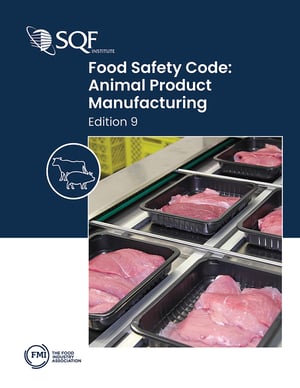
Animal Product Manufacturing
Meat, poultry and seafood processors
Slaughter, boning and butchery, manufactured meat and poultry products, and all seafood processing.
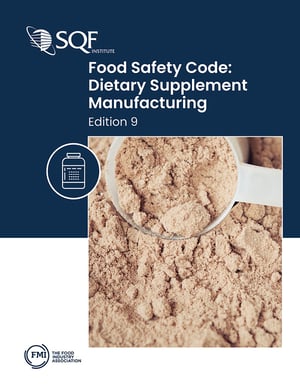
Dietary Supplement Manufacturing
Vitamins, minerals and nutraceuticals
Manufacturing of dietary supplements from raw material receipt through finished product assembly and packaging.
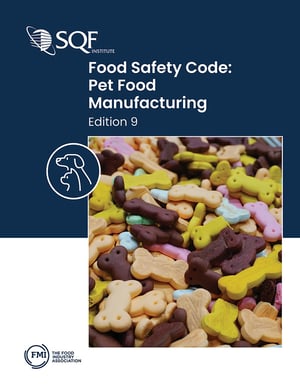
Pet Food Manufacturing
Companion animal food and treats
Production of food and treats for companion animals, from ingredient receipt through packaging.
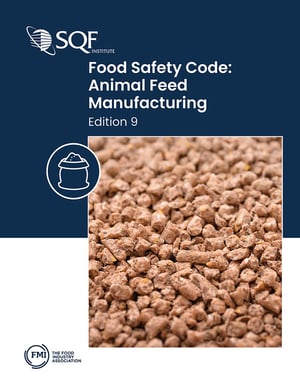
Animal Feed Manufacturing
Feed mills and premix plants
Manufacturing of feed, feed ingredients and premixes for food-producing and non-food-producing animals.
Storage and Distribution
Warehouses, 3PLs and transport
Ambient, refrigerated and frozen warehousing, transportation and distribution of food and food packaging.
Manufacture of Food Packaging
Food-contact packaging producers
Manufacturing of primary and secondary packaging materials that contact or contain food products.
Food Retail
Grocery and retail operations
Retail stores that receive, store, prepare, handle and sell food directly to consumers.
Foodservice
Restaurants, catering and institutions
Preparation and service of food to consumers, including catering, commissaries and institutional foodservice.
What Are the Benefits of SQF Certification?
Achieving SQF certification yields benefits that go well beyond a certificate on the wall. It can transform your operations, satisfy customers and regulators with a single program, and open the door to new markets and larger contracts.
What Does an SQF Audit Cover?
An SQF certification audit evaluates your site against the applicable SQF Food Safety Code (currently Edition 9, with Edition 10 audits beginning January 2027). Every code has two parts: Module 2 System Elements, which covers the management system and HACCP-based food safety plan, and a sector-specific module of Good Manufacturing, Agricultural or Distribution Practices. The auditor verifies both through document review, facility inspection, records sampling, a traceability exercise and staff interviews.
Key Audit Areas
| Audit Area | Key Focus |
|---|---|
| 2.1 Management Commitment | Food safety policy, management responsibility and review, food safety culture, complaint management, business continuity and crisis planning |
| 2.2 Document Control and Records | Food safety management system documentation, document control, records retention and legibility |
| 2.3 Specifications, Formulations, Realization and Supplier Approval | Product development, raw material and packaging specifications, contract service providers and manufacturers, finished product specifications, approved supplier program |
| 2.4 Food Safety System | Food legislation, Good Manufacturing Practices, Codex HACCP-based food safety plan, product sampling, inspection and analysis |
| 2.5 SQF System Verification | Validation and effectiveness, verification schedule, corrective and preventive action, internal audits and inspections |
| 2.6 Product Identification, Trace, Withdrawal and Recall | Product identification, traceability (including mass balance), product withdrawal and recall, crisis management |
| 2.7 Food Defense and Food Fraud | Food defense threat assessment and plan, food fraud vulnerability assessment and mitigation plan |
| 2.8 Allergen Management | Allergen risk assessment, control of cross-contact, labeling and label verification, cleaning validation |
| 2.9 Training | Training program, HACCP and SQF Practitioner competence, refresher training, training register |
| Sector Module: Good Manufacturing, Agricultural or Distribution Practices | Site location and construction, equipment, personnel hygiene, pest prevention, cleaning and sanitation, water and air quality, storage and transport, waste disposal, environmental monitoring |
SQF Audit Scoring and Ratings
Your audit starts at 100 points. Each minor non-conformity deducts 1 point, each major deducts 10 points, and a critical deducts 50 points. The final score determines your rating and whether a certificate is issued:
| Grade | Criteria (Announced Audit) | Certificate Validity |
|---|---|---|
| E – Excellent | Score of 96–100 | 12 months |
| G – Good | Score of 86–95 | 12 months |
| C – Complies | Score of 70–85 | 12 months |
| F – Fails to Comply | Score below 70, or any critical non-conformity | Not certified |
Non-Conformity Categories
Unannounced Audits
SQF requires unannounced auditing to verify that your system is maintained every day, not just prepared for a scheduled audit date:
- Mandatory — At least one recertification audit in every three-year certification cycle is unannounced and conducted without prior notice during your recertification window
- Voluntary — Sites may elect to have every recertification audit conducted unannounced, a choice many retailers and brand owners recognize favorably
Unannounced audits apply to sites certified to the SQF Food Safety Code and the SQF Food Safety and Quality Code, and count as that year's recertification audit.
SQF Audit Checklists and Food Safety Codes by Sector
Prepare for your audit with the official SQFI checklists. We have compiled the current SQF Food Safety Code PDFs and Excel audit checklists for every sector directly from the Safe Quality Food Institute. Use them to verify your facility meets the exact code requirements before your Kiwa ASI auditor arrives.

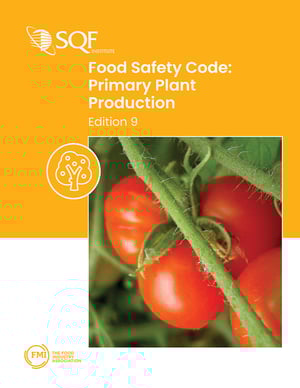
The Primary Plant Production Code covers plant-based food safety from the start of the supply chain to final packing, including indoor growing and sprouted seed production, outdoor cultivation of fresh produce and nuts, and all packhouse and storage operations for fresh goods and grains.

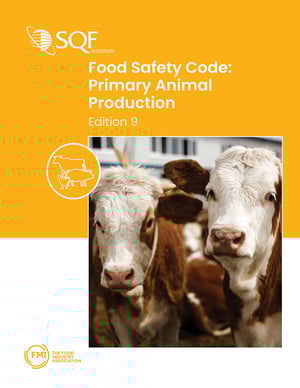
The Primary Animal Production Code is the standard for livestock and honey producers. It covers raising, capturing and harvesting all types of livestock and game animals for meat, milk and eggs, as well as apiculture (beekeeping), from the farm gate onward.

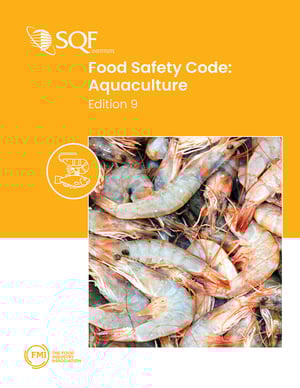
The Aquaculture Code is the standard for intensive seafood farming. It sets the safety and quality requirements for raising and harvesting fish and shellfish in controlled environments.

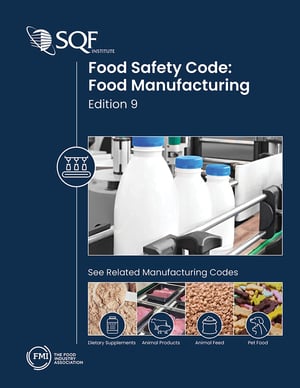
The Food Manufacturing Code is the unified standard for processed food production, covering dairy, honey and egg processing; bakery and snack foods; fruit, vegetable, nut and juice products; canning and UHT; beverages, confectionery and preserved foods; ingredients, recipe meals, oils, fats, cereal grains and processing aids; and repackaging.

The Animal Product Manufacturing Code is the standard for secondary production of animal-derived foods. It applies to slaughtering, boning and butchery, manufactured meat and poultry products, and all aspects of seafood processing.

The Dietary Supplement Manufacturing Code is the dedicated standard for the Dietary Supplement Manufacturing Food Sector Category, ensuring safety and quality from raw materials through final product assembly.

The Pet Food Manufacturing Code is the standard for the Pet Food Manufacturing Food Sector Category, ensuring safety and quality in the production of food and treats for companion animals.

The Animal Feed Manufacturing Code is the dedicated standard for the Animal Feed Manufacturing Food Sector Category, ensuring the safety and quality of feed, feed ingredients and premixes intended for animal consumption.

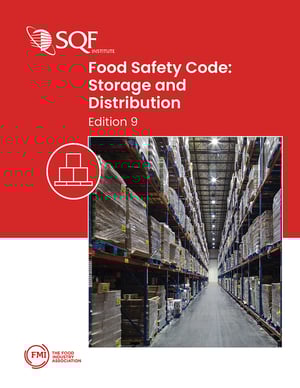
The Storage and Distribution Code is the standard for the final stages of the supply chain. It applies to the Storage and Distribution Food Sector Category and covers safe warehousing, transportation and distribution of food products.

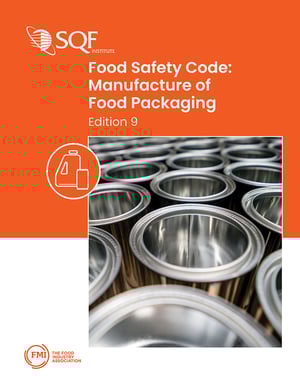
The Manufacture of Food Packaging Code is the standard for the Manufacture of Food Packaging Food Sector Category, ensuring the safety and suitability of materials used to contain and protect food products.
How Much Does SQF Certification Cost?
SQF certification is a project investment, not a single fee. The total depends on your facility size, scope, sector and how much of your food safety system is already in place. Budget across these five areas:
Certification Audit Fee
Paid to your SQFI-licensed certification body for the desk audit, facility audit, report writing and administration. Varies with facility size, complexity, number of codes and auditor travel.
SQFI Site Registration
Annual fee paid directly to SQFI to register your site in the SQFI assessment database. Higher for combined Food Safety and Quality Code registrations.
Training and Personnel
Required HACCP or PCQI training for your SQF Practitioner, plus Implementing SQF Systems and internal auditor courses for the wider team.
Consulting Services (Optional)
Gap analysis, documentation development and implementation guidance from ASI Training and Consulting. Strongly recommended for sites new to the standard.
Facility Improvements
Upgrades to buildings, equipment, sanitation or pest control needed to meet code requirements, ranging from minor fixes to capital projects.
Budget note: Treat SQF certification as a multi-year program. Audit and SQFI registration fees recur every year, while training, consulting and facility costs are concentrated in year one. Request a quote from Kiwa ASI for audit pricing specific to your site.
How Do You Get SQF Certified?
The path to SQF certification runs through three phases: preparation and system development (steps 1 to 6), the certification audit (steps 7 to 10) and ongoing maintenance (steps 11 and 12). First-time sites can shorten the timeline with a Kiwa ASI SQF gap assessment before the official audit.
Prepare for SQF Certification with Kiwa ASI Training
Every SQF-certified site needs a trained SQF Practitioner and audit-ready staff. Our live virtual courses are taught by working food safety auditors and built around SQF Code training requirements, including the changes in Edition 10.
Edition 10 Implementing SQF Systems
This instructor-led, live virtual program teaches your team how to build and run a food safety system aligned with SQF Edition 10, from Module 2 System Elements through your sector's GMP module, so you walk into your certification audit ready.
Need to train 6+ people? Ask about on-site private training → | US.Info@kiwa-asi.com
Edition 10 SQF Conversion Course
A half-day interactive workshop for current SQF Practitioners and internal auditors covering what changed between Edition 9 and Edition 10, where to find the new requirements, and how to build a 30-day implementation roadmap before your first Edition 10 audit in 2027.
Need to train 6+ people? Ask about on-site private training → | US.Info@kiwa-asi.com
HACCP Certification Training
The SQF Code requires every SQF Practitioner to complete HACCP training. This live virtual course delivers 16 contact hours over four half-day sessions and teaches you to develop, implement and maintain a Codex-based HACCP plan that satisfies SQF, FDA and third-party auditors.
Need to train 6+ people? Ask about on-site private training → | US.Info@kiwa-asi.com
Why Choose Kiwa ASI for SQF Certification?
With nearly a century of food safety expertise, SQFI-licensed auditors nationwide and the backing of the global Kiwa network, Kiwa ASI makes SQF certification straightforward from first inquiry through every recertification.
SQFI-Licensed, Accredited Certification Body
Kiwa ASI is licensed by SQFI and accredited to ISO/IEC 17065 to deliver SQF certification audits across every SQF Food Safety Code sector, from primary production to storage and distribution.
Nearly a Century of Food Safety Experience
ASI has audited food facilities for decades. Our SQF auditors bring hands-on experience in your sector, so findings are practical, audits run efficiently and you learn something from every visit.
Responsive Scheduling and Support
Our client services team schedules audits around your production calendar, communicates clearly at every step and guides you through corrective action close-out without unnecessary delays.
SQF Training, Gap Assessments and Pre-Assessments
Through ASI Training and Consulting, LLC, we offer Implementing SQF Systems, SQF Practitioner and Edition 10 conversion courses, gap assessments and pre-assessment audits, all kept separate from the certification body to prevent conflicts of interest.
Global Kiwa Network
As part of Kiwa, a global testing, inspection and certification company operating in 30+ countries, we provide consistent audit quality and international support wherever your sites are located.
Frequently Asked Questions About SQF Certification
SQF (Safe Quality Food) certification is a GFSI-benchmarked food safety certification administered by the Safe Quality Food Institute (SQFI), a division of FMI. A licensed certification body such as Kiwa ASI audits your site against the SQF Food Safety Code for your sector and, if you pass, issues a certificate that is valid for 12 months and listed in the SQFI assessment database. Many retailers, foodservice companies and brand owners require SQF or another GFSI-benchmarked certification from their suppliers.
Every site seeking certification must designate a full-time employee as its SQF Practitioner. This person develops, implements and maintains the site's food safety (and, if applicable, quality) plans, oversees the internal audit program, keeps up with changes to the SQF Code, ensures staff are trained on their food safety responsibilities and acts as the main point of contact during the certification audit. To qualify, the SQF Practitioner must understand the SQF Code and have completed formal HACCP training. Kiwa ASI offers HACCP certification training and SQF Advanced Practitioner training.
Most first-time sites take six to twelve months from SQFI registration to certificate. The biggest variables are how much of a HACCP-based system you already have in place, how quickly documentation and training can be completed, and the fact that auditors expect to see records showing the system has been operating for a period before the audit (typically around 90 days). Sites that already hold another GFSI certification or have a mature HACCP program can move faster. A Kiwa ASI SQF gap assessment early in the process helps you build a realistic timeline.
An SQF audit is a comprehensive evaluation of your food safety and quality management system. The initial certification audit has two parts. The desk audit reviews your documented policies, procedures and food safety plans against the SQF Code. The facility audit is an on-site inspection in which the auditor observes your processes, interviews staff, performs a traceability exercise and reviews records to verify that you follow your documented system. For annual recertification, only the facility audit is normally required.
Your audit starts at 100 points. The auditor records any non-conformances and deducts points by severity: a minor non-conformance deducts 1 point, a major deducts 10 and a critical deducts 50. A score of 96 to 100 is rated E (Excellent), 86 to 95 is G (Good), 70 to 85 is C (Complies), and a score below 70 or any critical non-conformance is F (Fails to Comply). Certification is granted at E, G or C once all corrective actions are accepted. A single critical non-conformance results in automatic failure of the audit.
Total first-year cost typically ranges from about $6,000 for a small, well-prepared site to $25,000 or more for a larger facility that needs consulting and facility upgrades. The main components are the certification audit fee (roughly $4,500 to $9,000+), the annual SQFI site registration fee ($250 to $800), SQF Practitioner and staff training ($800 to $1,300+), optional consulting ($2,500 to $12,000+) and any facility improvements. See the SQF certification cost breakdown above, or contact Kiwa ASI at 1 (800) 477-0778 for an audit quote specific to your site.
SQF Edition 10 is the latest revision of the SQF Codes. Certification audits against Edition 10 begin in January 2027, so sites audited in 2026 are still assessed to Edition 9 but should be updating their systems now. Key changes include strengthened food safety culture requirements, updated environmental monitoring expectations, enhanced allergen management, and revised validation and verification requirements. Kiwa ASI offers an Edition 10 conversion course, an Edition 10 pre-assessment and a free Edition 9 to 10 changes webinar to help certified sites transition.
SQF, BRCGS and FSSC 22000 are all GFSI-benchmarked, so any of them satisfies a customer's GFSI requirement. They differ in a few ways. Geography: SQF is most widely used in North America and Australia, BRCGS has a strong presence in the UK and Europe, and FSSC 22000 is broadly recognized globally. Structure: SQF offers a separate, optional Quality Code that earns the SQF Quality Shield for packaging, BRCGS uses a graded AA to D system, and FSSC 22000 is built on ISO 22000. Scope: SQF is the only scheme with codes spanning primary production through retail and foodservice. The best choice usually depends on your sector and what your key customers request.
No. SQF is a voluntary, customer-driven certification, not a legal requirement. In practice, however, many major U.S. retailers, foodservice distributors and brand owners will not approve a supplier without SQF or another GFSI-benchmarked certification. Because SQF requires compliance with applicable food safety law and aligns with FSMA preventive controls, certified sites are also generally well prepared for FDA and USDA inspections.
To ensure certified sites maintain their food safety standards every day, the SQF Program requires at least one unannounced recertification audit within each three-year certification cycle for sites on the Food Safety Code or Food Safety and Quality Code. The auditor arrives without prior notice during your recertification window and the audit counts as that year's recertification. Sites may also volunteer for every recertification audit to be unannounced, which many customers view favorably.
SQF certificates are valid for 12 months, so maintaining certification is an ongoing process. Key activities include completing a successful recertification audit each year before your certificate expires, running regular internal audits to find and correct issues proactively, holding management reviews of the food safety and quality system, keeping training current, and staying up to date with changes to the SQF Code and food safety regulations, including the move to Edition 10.
Yes. SQFI allows certified sites to transfer to another licensed certification body. Kiwa ASI will review your current certificate, most recent audit report and any open corrective actions, confirm the transfer requirements with you, and schedule your next recertification audit so there is no gap in certification. Contact us at 1 (800) 477-0778 or info@asifood.com to start the process.